


Blog / soft skills training workshops
Soft Skills Training Workshops: Bridging the Gap Between Talent and Performance
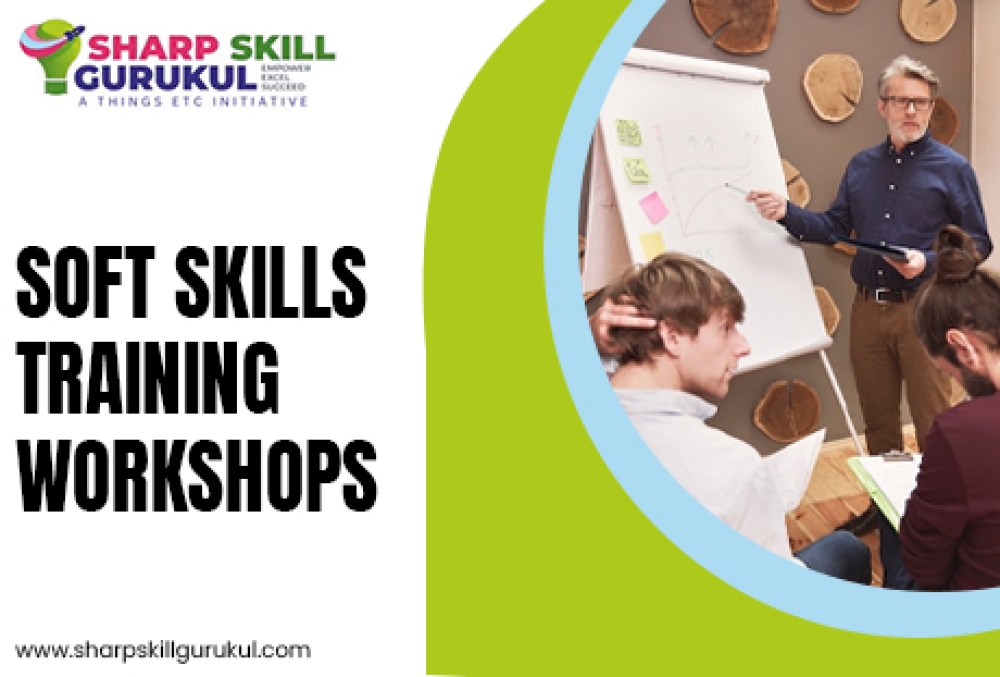
In today’s competitive workplace, technical expertise alone is not enough. Many professionals are skilled, qualified, and experienced. Yet, their performance often falls short due to gaps in communication, leadership, or teamwork. This is where soft skills training workshops make a measurable difference.
Organizations now recognize that productivity depends not only on knowledge but also on behavior. Specifically, how employees communicate, manage time, handle pressure, and collaborate with others directly affects results. Therefore, investing in structured learning programs is no longer optional. It is strategic.
Why Talent Alone Does Not Guarantee Performance
Many companies hire based on technical credentials. However, real-world challenges demand more than subject knowledge. For example, a brilliant engineer may struggle to explain ideas clearly. A skilled salesperson may fail to listen to the client's concerns.
Consequently, performance suffers. Deadlines slip. Conflicts arise. Morale drops.
This gap between capability and execution often stems from a lack of interpersonal skills. That is why soft skills training workshops are increasingly integrated into corporate development plans.
What Are Soft Skills Training Workshops?
Soft skills training workshops are structured programs designed to improve interpersonal abilities. These include communication, emotional intelligence, leadership, adaptability, and conflict resolution.
Unlike traditional lectures, these workshops are interactive. Participants engage in role-plays, case discussions, simulations, and group activities. This approach ensures practical learning.
Furthermore, modern organizations prefer blended formats. Sessions may combine classroom interaction with online modules. This flexibility suits hybrid work environments.
Professionals who attend soft skill training courses often report improved confidence. More importantly, they apply these lessons immediately at work.
Core Areas Covered in Soft Skills Training Workshops
Communication Skills
Clear communication reduces misunderstandings. Employees learn how to present ideas concisely. They also practice active listening.
Specifically, workplace communication focuses on clarity, tone, and empathy. This reduces friction between teams.
Emotional Intelligence
Emotional intelligence is the ability to understand and manage emotions. Leaders with strong emotional awareness handle pressure better.
For example, during high-stress projects, emotionally intelligent managers maintain calm. Consequently, teams remain focused.
Teamwork and Collaboration
Modern workplaces rely on cross-functional collaboration. Workshops teach participants how to respect different viewpoints. They also learn how to contribute constructively in group settings.
A strong team culture increases productivity. Moreover, it reduces internal conflicts.
Leadership and Decision-Making
Leadership is not limited to senior roles. Even mid-level managers need to influence teams.
Through structured exercises, participants learn how to delegate effectively. They also understand accountability and decision-making frameworks.
Time and Priority Management
Missed deadlines cost money. Therefore, time management training is critical.
Participants learn prioritization techniques. They understand how to minimize distractions and focus on high-impact tasks.

The Business Impact of Soft Skills Training Workshops
Many HR leaders evaluate training programs based on measurable outcomes. Fortunately, soft skills training workshops deliver a visible impact.
First, communication errors decrease. Teams align faster on goals. Second, leadership pipelines strengthen. Employees grow into managerial roles with confidence.
Furthermore, employee engagement improves. When people feel heard and respected, they perform better.
Organizations that integrate consistent soft skill training courses into their development strategy often see reduced attrition. This is because employees value personal growth opportunities.
Industry-Specific Use Cases
IT and Technology
Technical professionals often interact with clients. Strong presentation skills enhance credibility. Therefore, structured soft skills training workshops help bridge communication gaps between technical and non-technical stakeholders.
Sales and Client-Facing Roles
Client handling requires empathy and negotiation skills. Training improves listening ability. Consequently, customer satisfaction increases.
Healthcare and Service Sectors
In service-driven industries, human interaction defines reputation. Emotional intelligence training helps professionals manage sensitive situations effectively.
Choosing the Right Soft Skills Institute
Selecting the right provider matters. Not all programs deliver the same value.
A credible soft skills institute focuses on experiential learning rather than theory. Trainers should have real industry exposure. Case studies must reflect practical workplace scenarios.
Furthermore, the curriculum should be customized. For example, entry-level employees require different modules compared to first-time managers.
When evaluating a soft skills institute, look for measurable learning outcomes. Pre- and post-assessment tools add credibility. Additionally, blended delivery formats improve accessibility.
A reliable soft skills institute will also align training objectives with business goals. This ensures that learning translates into performance improvement.

Why Soft Skills Training Workshops Support Career Growth
From an individual perspective, these workshops enhance professional visibility. Employees who communicate clearly gain trust faster. Moreover, leadership skills open promotion opportunities. Managers prefer team members who demonstrate accountability and collaboration.
Professionals attending structured soft skill training courses often experience improved confidence in meetings. They handle presentations more effectively. Furthermore, these programs help individuals navigate workplace hierarchies respectfully. This is particularly relevant in culturally diverse environments.
How to Integrate Soft Skills into Organizational Strategy
Training should not be a one-time event. Instead, companies must create continuous learning pathways. For example, onboarding programs can include introductory modules. Mid-level managers can attend advanced soft skills training workshops focused on leadership. Senior executives may require strategic communication training.
Additionally, organizations can link workshop outcomes to performance reviews. This reinforces accountability. Digital learning platforms also complement in-person sessions. As a result, knowledge retention improves.
Measuring the ROI of Soft Skills Training Workshops
Leaders often ask about return on investment. While soft skills are intangible, their impact is measurable. For instance, companies can track improvements in employee engagement scores. They can measure a reduction in conflict-related complaints. Sales teams may show improved client retention.
Furthermore, internal promotions increase when leadership skills develop internally. This reduces hiring costs. Well-designed soft skill training courses include feedback surveys and behavioral assessments. These tools provide structured performance data.
The Future of Workplace Development
The modern workforce demands adaptability. Remote collaboration, diverse teams, and fast-changing markets require strong interpersonal abilities. Therefore, companies that invest in soft skills training workshops are better positioned for long-term success.
As automation handles technical tasks, human skills become the differentiator. Communication, empathy, and leadership cannot be replaced by technology.
Consequently, organizations prioritizing continuous development create stronger cultures.
Unlock Practical Growth with Sharp Skill Gurukul
At Sharp Skill Gurukul, we go beyond theory to deliver meaningful transformation. We design skill development programs, project planning support, and business strategy guidance rooted in 23+ years of corporate expertise. Furthermore, we strengthen branding, leadership, and digital presence creation for professionals and organizations alike. Our holistic approach builds skills, mindset, and long-term support systems. Having trained 10,000+ individuals across India, we focus on real-world impact that drives sustainable growth and measurable performance.
Final Thoughts
Talent is only the starting point. Performance depends on how effectively individuals apply that talent in real-world situations. Structured soft skills training workshops bridge this critical gap. They enhance communication, strengthen leadership, and improve collaboration. Furthermore, they align personal growth with organizational goals.
For professionals seeking advancement and organizations aiming for sustainable growth, investing in practical soft skill training courses is a strategic move.
If you are exploring structured programs tailored to modern workplace needs, consider learning more about Sharp Skill Gurukul and its experiential training approach designed to support meaningful professional development.
In conclusion, performance improves when people's skills improve. And that is where true competitive advantage lies.