


Blog / Soft Skills Training
How Soft Skills Training Workshops Enhance Team Collaboration and Productivity?
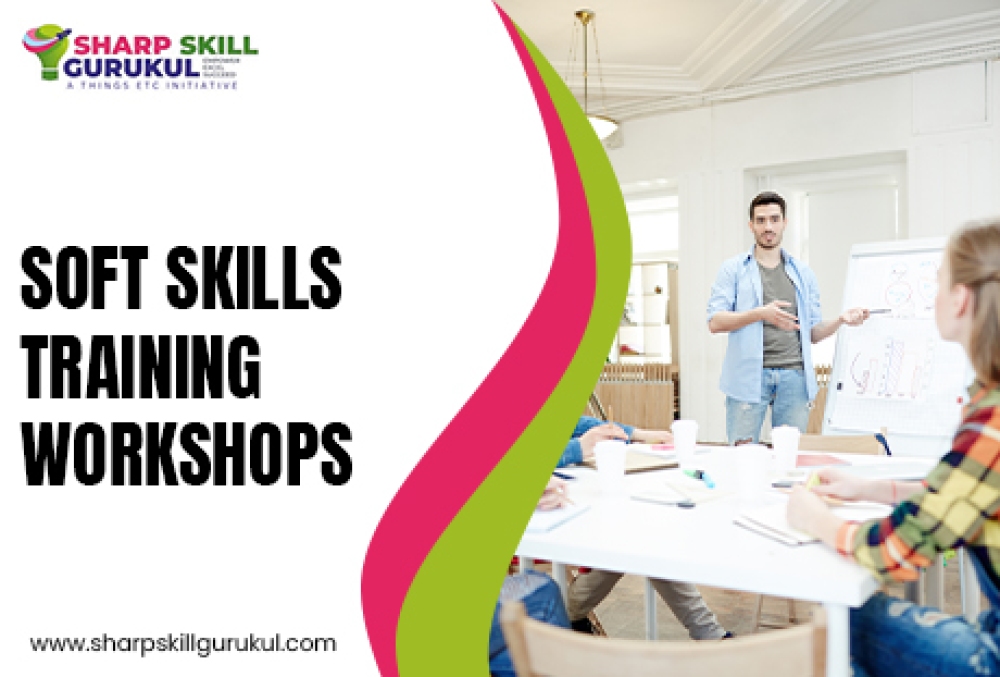
In today’s fast-paced business environment, technical expertise alone is no longer sufficient for success. Organisations are increasingly recognising the critical role that soft skills—such as communication, empathy, adaptability, and teamwork—play in driving performance and fostering a healthy work culture. While hard skills get your foot in the door, soft skills keep you there and help the entire team move forward together. Unfortunately, many workplaces still underestimate the value of soft skills, assuming these traits are innate rather than teachable.
That’s where soft skills training workshops come in. These interactive learning experiences are designed to build and strengthen interpersonal competencies that directly influence how employees interact, collaborate, and perform. Unlike traditional training that focuses on tools or technical methods, soft skills training emphasises emotional intelligence, critical thinking, conflict resolution, and leadership—capabilities that consistently determine whether a team thrives or struggles.
Understanding Soft Skills and Their Importance
Soft skills training are the non-technical traits that determine how people interact, communicate, and work together. These include communication, emotional intelligence, problem-solving, time management, and adaptability. While hard skills might help an employee execute tasks correctly, soft skills ensure they do so collaboratively and empathetically.
In team environments, soft skills act as the foundation of productive relationships. When team members understand how to express ideas clearly, listen actively, and manage emotions constructively, misunderstandings decrease and efficiency increases. For organisations aiming to innovate and compete, soft skills aren’t optional—they’re essential.
How Workshops Foster Better Communication
One of the biggest challenges teams face is communication breakdown. Inconsistent messaging, unclear expectations, and poor listening can stall projects and create friction.
Soft skills training workshops often include activities like role-playing, group discussions, and real-world case scenarios. These methods help participants practice clear articulation, active listening, and constructive feedback in a safe, supportive setting. Over time, employees internalise these skills, resulting in:
- Fewer misunderstandings
- More concise and purposeful communication
- Greater willingness to share ideas and concerns
When communication improves, so does the pace of collaboration—and the quality of outcomes.
Building Emotional Intelligence for Stronger Teams
Emotional intelligence (EQ) refers to the ability to recognise, understand, and manage one’s own emotions while empathising with others. High EQ enables team members to navigate interpersonal complexities with grace and maturity.
Soft skills workshops often focus on:
- Understanding emotional triggers
- Practicing empathy
- Responding to conflict with composure
- Reading non-verbal cues
Teams with strong emotional intelligence are better at resolving disagreements, supporting colleagues under pressure, and maintaining a positive workplace atmosphere. This emotional foundation drives trust—a key ingredient for high-performing teams.
Encouraging Collaboration Through Trust and Respect
Collaboration doesn’t happen by accident—it’s built through mutual respect and trust. Soft skills training reinforces behaviours that encourage inclusiveness and transparency.
Workshops frequently involve team-based challenges that:
- Require shared decision-making
- Promote accountability
- Highlight the importance of diverse perspectives
These experiences help employees appreciate each other’s strengths and limitations, fostering a culture where contributions are valued and collective goals outweigh individual agendas. As a result, collaboration becomes seamless rather than forced.
Enhancing Problem-Solving and Critical Thinking
Effective teams don’t just work together; they solve problems together. Soft skills training introduces frameworks and mindsets that support creative thinking, open inquiry, and solution-oriented discussions.
Participants learn techniques such as:
- Brainstorming without judgment
- Asking powerful questions
- Breaking down complex issues
- Evaluating alternatives collaboratively
By sharpening these skills, teams become more agile and better equipped to handle challenges. Instead of escalating issues, team members proactively engage and innovate.

Transforming Conflict Into Opportunity
Conflict is inevitable—but destructive conflict is not. Teams that lack soft skills often avoid difficult conversations or escalate minor disagreements into major disputes.
Soft skills workshops teach participants to:
- Approach conflict with curiosity instead of defensiveness
- Separate behaviour from intent
- Navigate disagreements without damaging relationships
When team members treat conflict as a chance to learn and improve, productivity rises, and workplace stress declines. Rather than fearing disagreements, teams learn to leverage them constructively.
Strengthening Leadership at Every Level
Leadership isn’t reserved for titles; it’s about influence. Soft skill training institute helps employees at all levels develop qualities like accountability, adaptability, and motivational communication.
Such training cultivates:
- Self-awareness
- Confidence in decision-making
- The ability to inspire and guide peers
When employees step up as informal leaders, teams benefit from more resilient and responsive collaboration.
Boosting Overall Productivity
Soft skills training doesn’t just improve individual behaviours—it enhances team systems and processes. Better communication reduces rework. Emotional intelligence minimises friction. Strong collaboration accelerates project timelines.
The combined effect of these improvements is measurable: fewer delays, higher quality output, and a more engaged workforce. In a competitive environment, organisations that invest in soft skills are positioned to outperform their peers.
Cultivating a Positive Organisational Culture
Beyond practical outcomes, soft skills training contributes to a healthier work environment. Teams learn to celebrate successes, support peers during challenges, and uphold shared values.
Such cultures attract and retain talent, reduce burnout, and elevate company reputation. In essence, soft skills become part of the organisational DNA—transforming not just performance but employee experience.
Conclusion
Soft skills training workshops are more than corporate enrichment programs—they are transformative experiences that enhance team collaboration and productivity at every level. By improving communication, emotional intelligence, conflict management, and leadership capacities, these workshops equip teams with the human-centric competencies necessary for today’s complex workplaces. Organisations that prioritise soft skills development see tangible benefits in efficiency, innovation, and employee satisfaction.
If you’re ready to elevate your team’s collaboration and boost productivity through expert-led soft skills training, explore how you can transform your workforce at Sharp Skill Gurukul. Investing in soft skills isn’t just training—it’s strategic growth.
Visit us on LinkedIn for more information.